For a few weeks each spring, Europe's largest sand landscape turns into a flowering steppe.
Some places reveal their beauty at first glance. Alpine lakes, waterfalls, lavender fields—you have barely stepped out of the car before reaching for your phone.
The Deliblato Sands are different.
Visit in summer and you will find sandy hills, dry grasses, and a vast open landscape. It is beautiful, but austere. It is hard to imagine that only a few weeks earlier, the same place looked entirely different.
Every spring, Europe’s largest sandy landscape briefly turns into a flowering steppe.
A Desert That Should Not Be Here
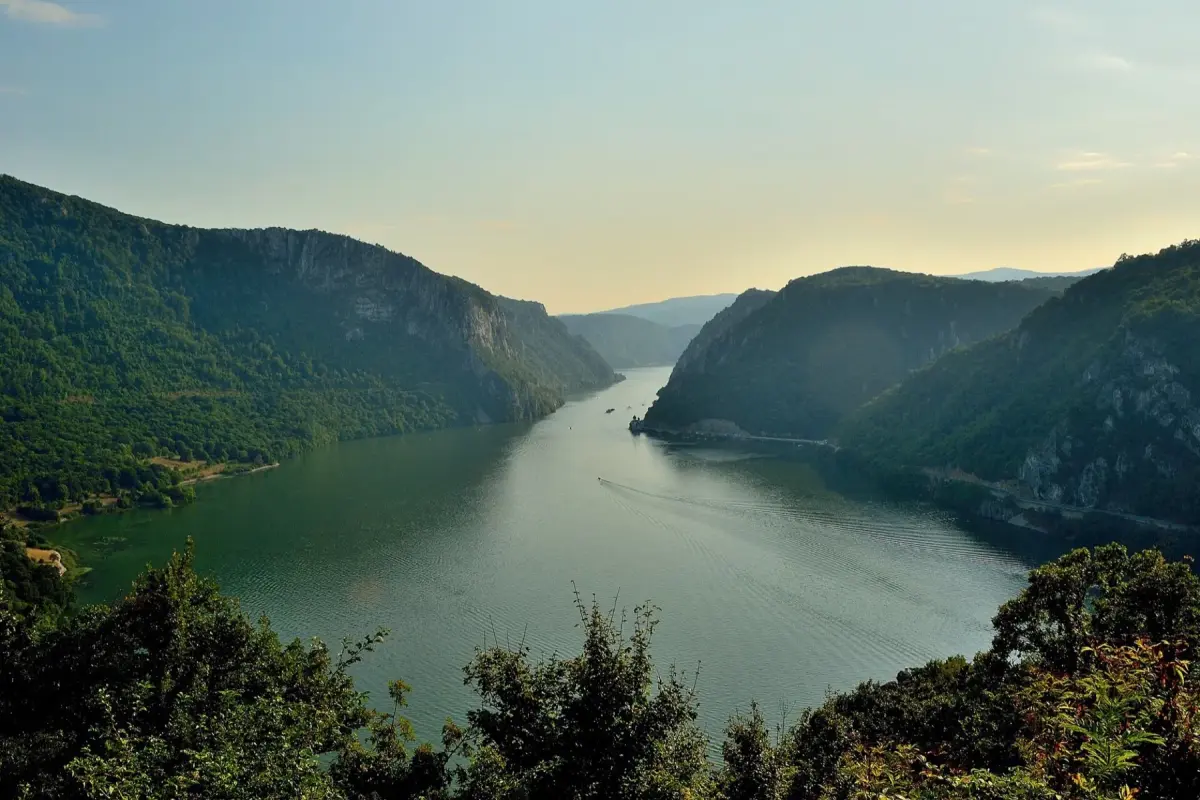
It is difficult to believe that Serbia contains a sandy landscape stretching for roughly thirty-five kilometres. After the last Ice Age, the Danube left enormous deposits of sand here, and strong winds gradually shaped them into dunes. The sand once moved freely across the plain and even threatened nearby villages. Trees were later planted to stabilise it.
Today, the Deliblato Sands are not a desert in the usual sense. They are a rare combination of sandy dunes, steppe grassland, unusual plants, and small patches of forest. Very few landscapes like this remain in Europe.
Spring reveals just how extraordinary the place really is.
A Few Weeks Each Year
Visit in May, and the sands will look nothing like their name suggests.
“Visit in May, and the sands will look nothing like their name suggests.”
Hundreds of steppe plants begin to bloom between the sandy hills. Dwarf irises, pasqueflowers, spring pheasant’s eye, wild carnations, feather grass, and many other species appear at different times, so the landscape changes from week to week. More than nine hundred plant species have been recorded here, including many that are exceptionally rare.
There is one thing worth knowing before you come.
This is not an endless flower field where bright blossoms completely cover the ground. The beauty of the Deliblato Sands is subtler. Flowers appear among the grasses and patches of sand, tracing the contours of the dunes rather than concealing them. It is precisely this contrast that makes the landscape so memorable.
The sands do not stop being wild and austere. They simply come alive.
When to Visit
May is usually the best month. Depending on the weather, the flowering season may begin in late April and continue into early June, but May offers the greatest chance of seeing many species in bloom at once.
After that, the landscape changes quickly. The steppe begins to dry, the colours fade, and the sands return to their more familiar appearance.
The spring bloom is not an attraction that waits for visitors throughout the year. It is a brief natural season that is easy to miss.
How to See the Sands at Their Best
Come in the morning or towards the end of the day. The sand takes on a warm golden colour, long shadows reveal the shape of the dunes, and walking is far more pleasant than under the midday sun.
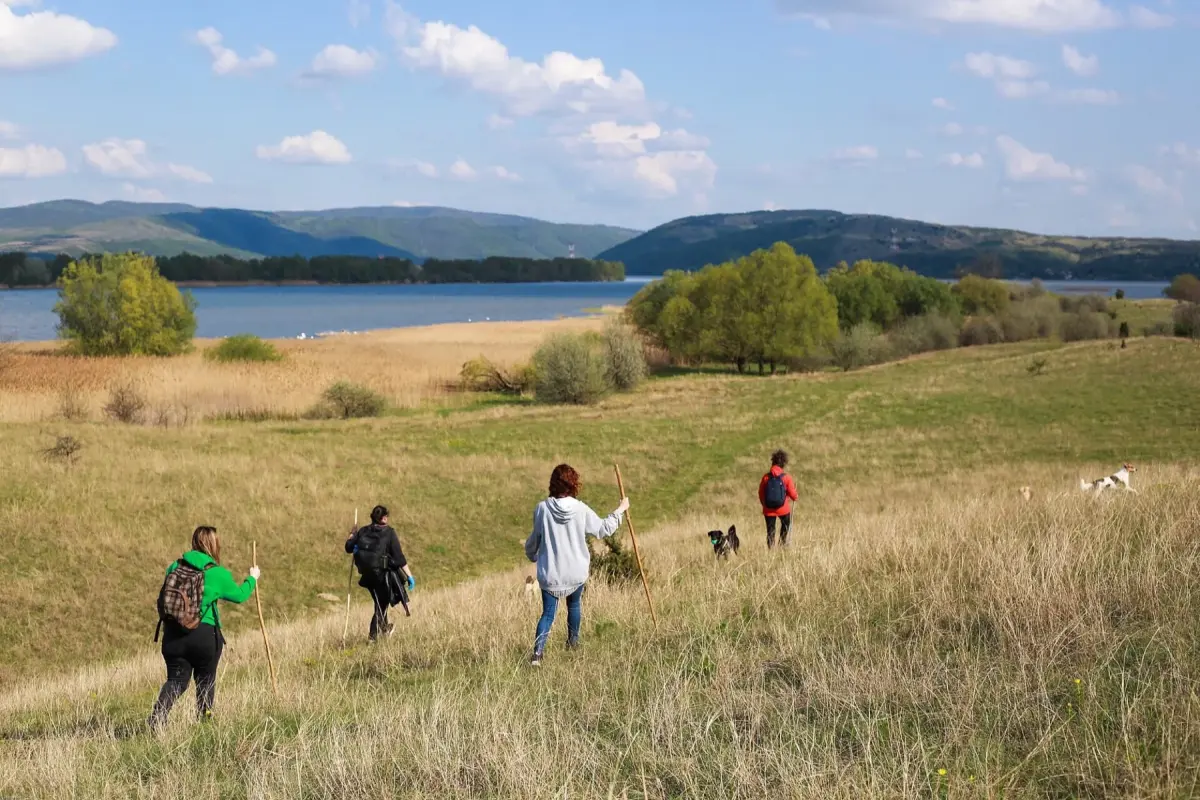
Do not rush. The Deliblato Sands cannot be understood in five minutes. This is a place for following a trail slowly, listening to the wind, noticing new plants along the way, and realising that there is almost no one else around.
Here, silence becomes part of the experience.
Why Spring Is Worth the Journey
Most people living in Serbia know about its mountains, monasteries, the Danube, and its national parks. Many have no idea that Europe’s largest sandy landscape lies within the country. Fewer still have seen it during the few weeks when flowers begin to appear among the dunes.
Perhaps that is why a spring visit stays with you. Not because you will see the brightest flowers of your life, but because you will witness a place becoming briefly unlike itself. A few weeks later, the dunes, the wind, and the steppe will all remain. Only the spring transformation—the reason to make the journey—will have disappeared.