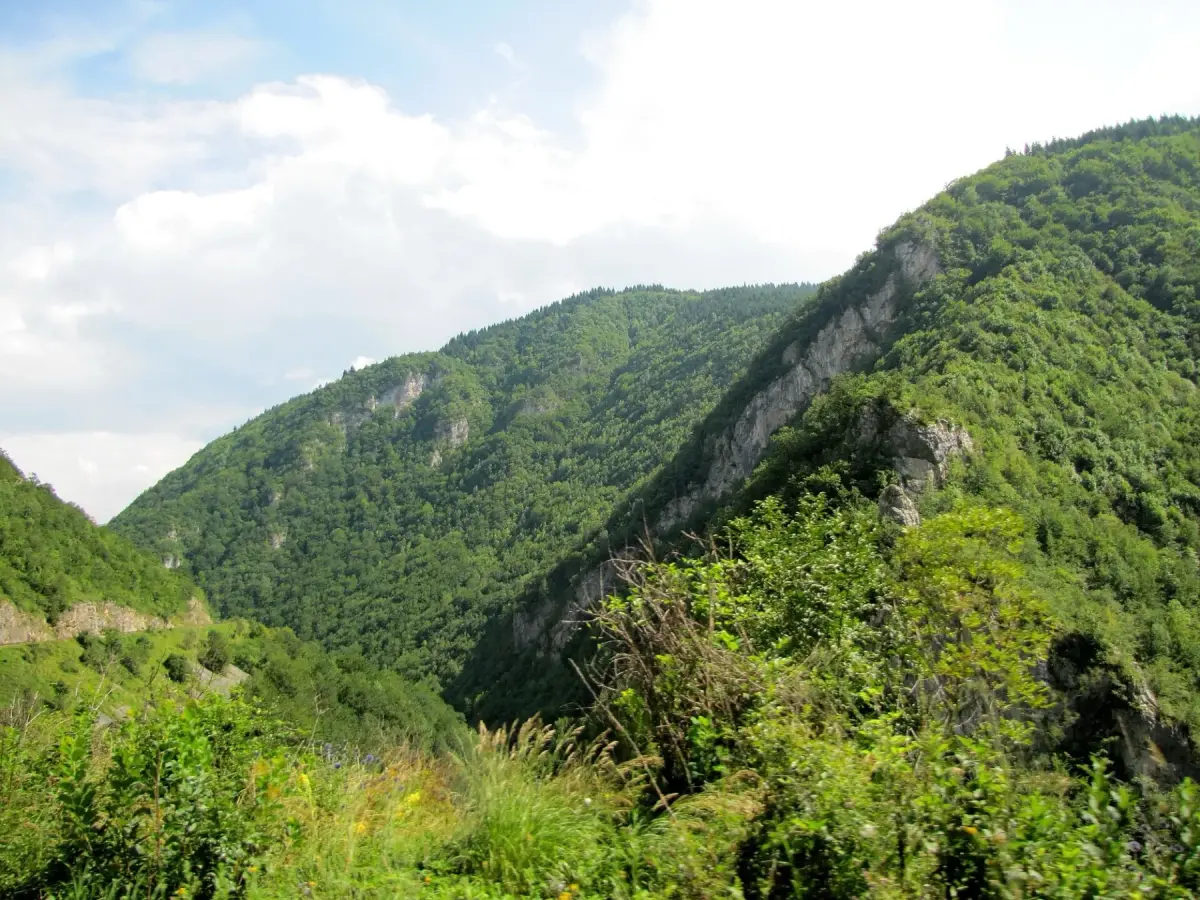
A medieval king's legend, a gorge full of wild lilacs, and a fortress watching from above.
Every spring, thousands of people travel to Japan to see the cherry blossoms. In France, the roads leading to lavender fields begin to fill with visitors. At the same time, Serbia experiences a seasonal event that even many locals have never seen.
For just a few weeks each year, lilacs bloom along the slopes of the Ibar Gorge. For centuries, people have told the same story: these flowers may have appeared here because of a medieval king’s love for his future queen.
Whether the story is true or simply a beautiful legend, no one knows. Yet it transforms an ordinary spring bloom into one of Serbia’s most unusual journeys.
According to legend, in the 13th century, Serbian King Stefan Uroš I married Helen, a woman from a Western European noble family. She was leaving behind the world she knew to travel to a distant mountainous kingdom whose language, landscapes, and traditions were completely unfamiliar.
The story says that the king wanted to make her arrival feel a little less foreign. He ordered lilacs to be planted along the road through the Ibar Gorge so that blooming flowers would welcome his future queen in spring.
Historians have never found documents proving that such an order was ever given. No medieval chronicle describes the planting of the lilacs, so today the story is regarded as a legend rather than an established historical fact.
Still, legends rarely survive for more than seven hundred years without leaving some trace behind. Every spring, lilacs bloom once again in the Ibar Valley, and generation after generation continues to connect them with Queen Helen.
If you’re imagining endless purple fields stretching to the horizon, you may be disappointed.
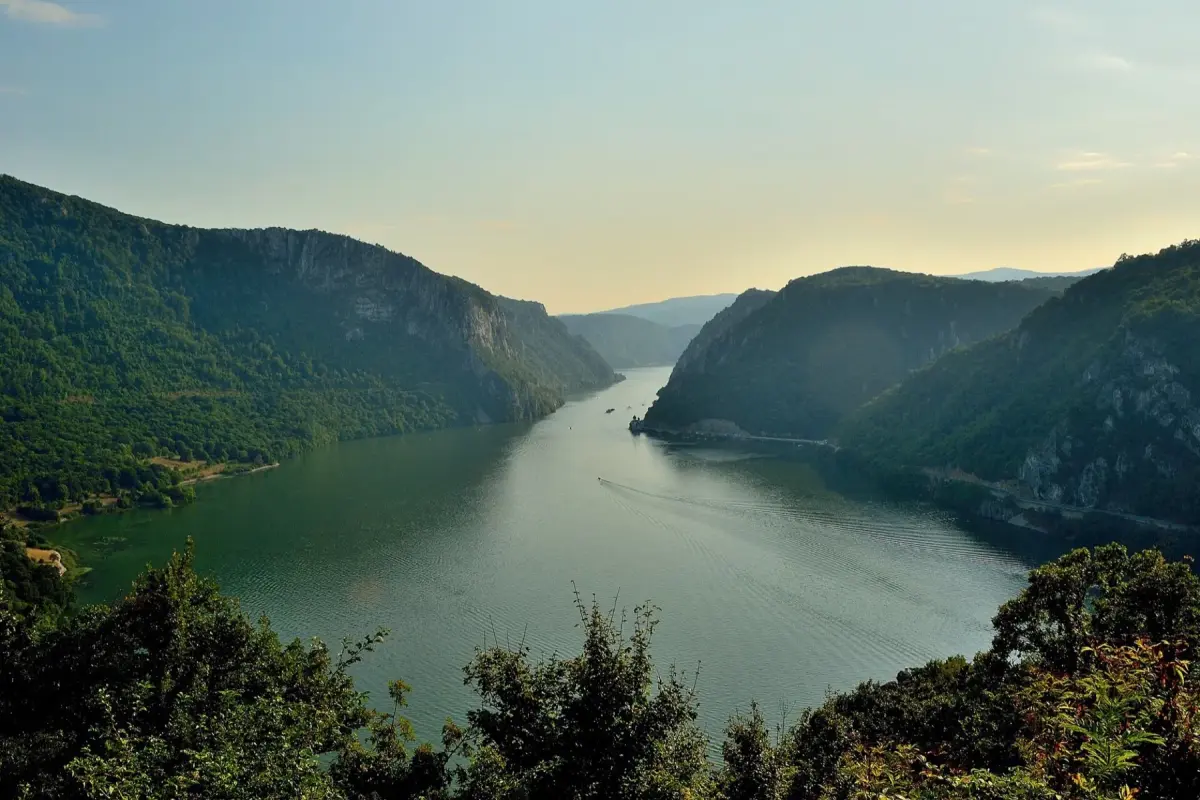
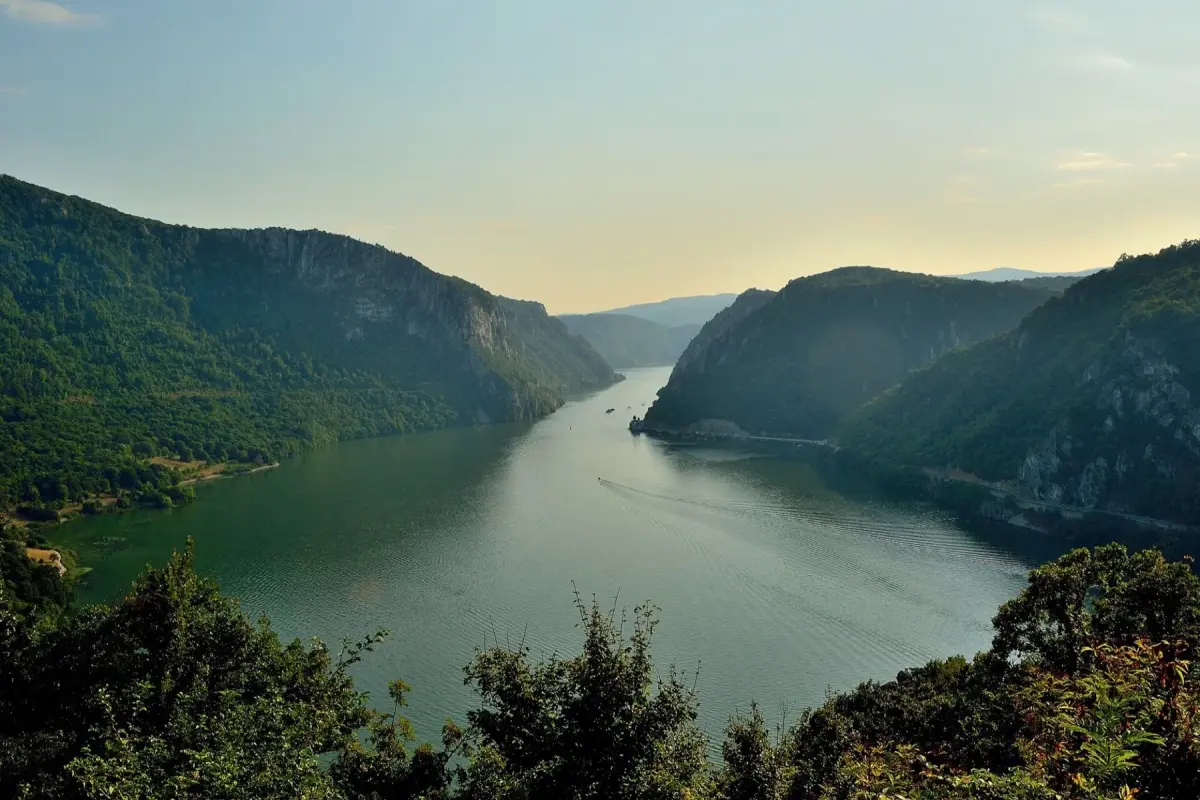
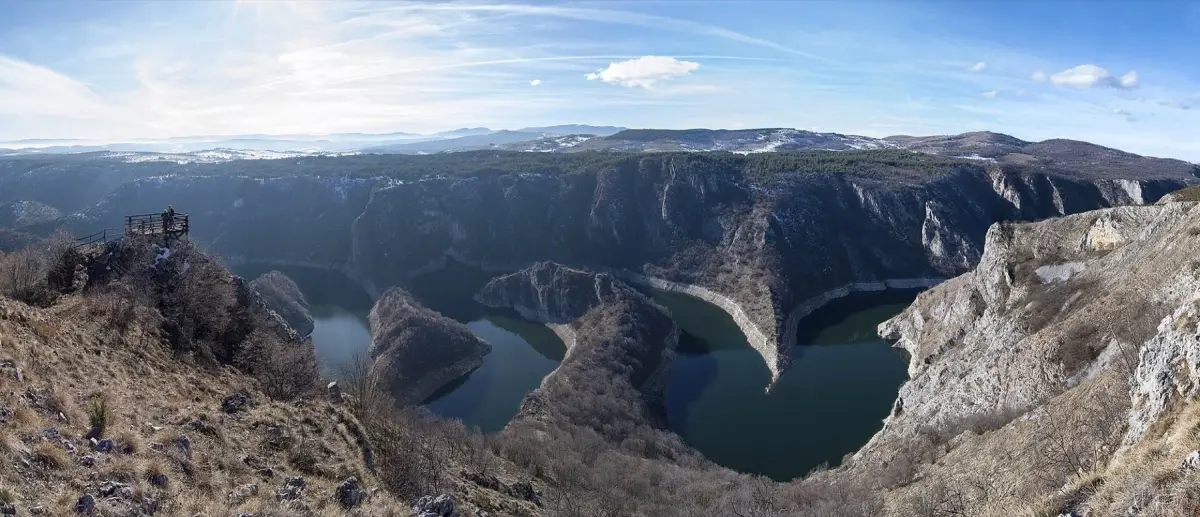
The Valley of Lilacs is not a botanical garden, a park, or a cultivated plantation. It is a real mountain gorge carved by the Ibar River. The road winds between forested hillsides, rocky cliffs, and small villages, while white and purple lilac bushes appear naturally among the fresh spring greenery.
The beauty of the place comes not from the number of flowers but from the setting in which they bloom.
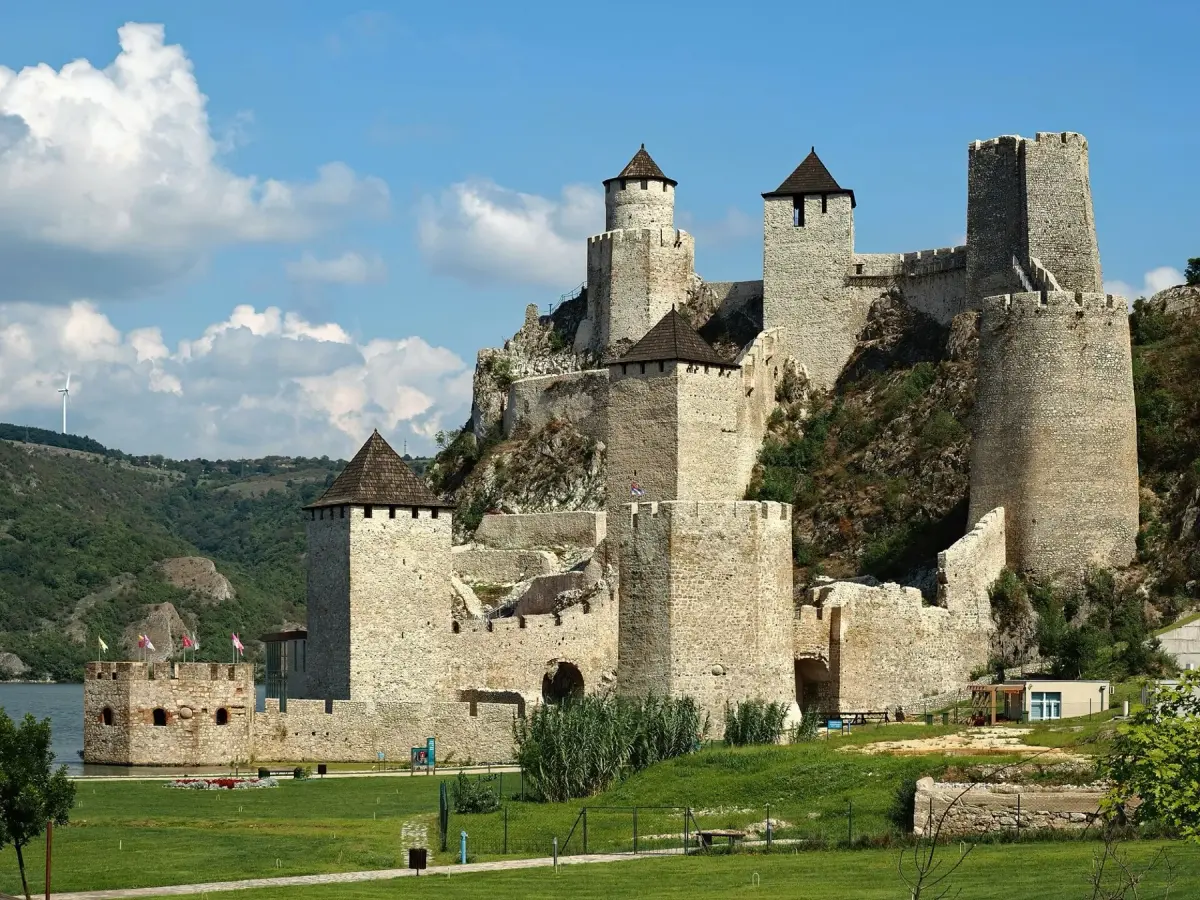
The scent of lilacs drifts through the valley, mixing with the cool air rising from the river. Above the road stands Maglič Fortress, perched dramatically on a rocky ridge for more than seven centuries. Looking at the landscape, it’s easy to imagine that it has changed very little since the time when a royal procession may have passed through these mountains.
The most atmospheric part of the valley lies around Maglič Fortress.
“The most atmospheric part of the valley lies around Maglič Fortress.”
The medieval stronghold still watches over the gorge from high above the river. Today, visitors cannot enter the fortress because the official bridge across the Ibar has been destroyed, and the Kraljevo Tourist Organization warns that alternative crossings are unsafe.
Fortunately, the fortress is still clearly visible from the opposite bank.
Standing there, it becomes easier to understand why this legend belongs to this place. The ancient stone walls, the winding river, and the lilacs blooming on the surrounding slopes create a landscape that feels perfectly suited to a centuries-old love story.
The blooming season is short.
Lilacs usually begin flowering during the second half of April, with the last week of the month often offering the most beautiful displays. Because every spring is different, the exact timing depends on the weather.
If you’re planning a trip specifically to see the flowers, it’s worth allowing yourself a few days of flexibility rather than choosing just one fixed date.
Is it worth traveling here just for the lilacs?
If your goal is to see the largest or most spectacular lilac display in Europe, this may not be the destination you’re looking for.
But if you love places where history and nature have become impossible to separate, the Valley of Lilacs offers something much rarer.
Perhaps King Uroš never ordered the lilacs to be planted.
Perhaps the story was born centuries later.
Yet every spring, as white and purple blossoms appear once again across the slopes of the Ibar Gorge, it becomes clear why the legend has outlived the historical evidence. Sometimes a place becomes unforgettable not because every detail can be proven, but because, for a moment, it allows you to believe in a beautiful story.