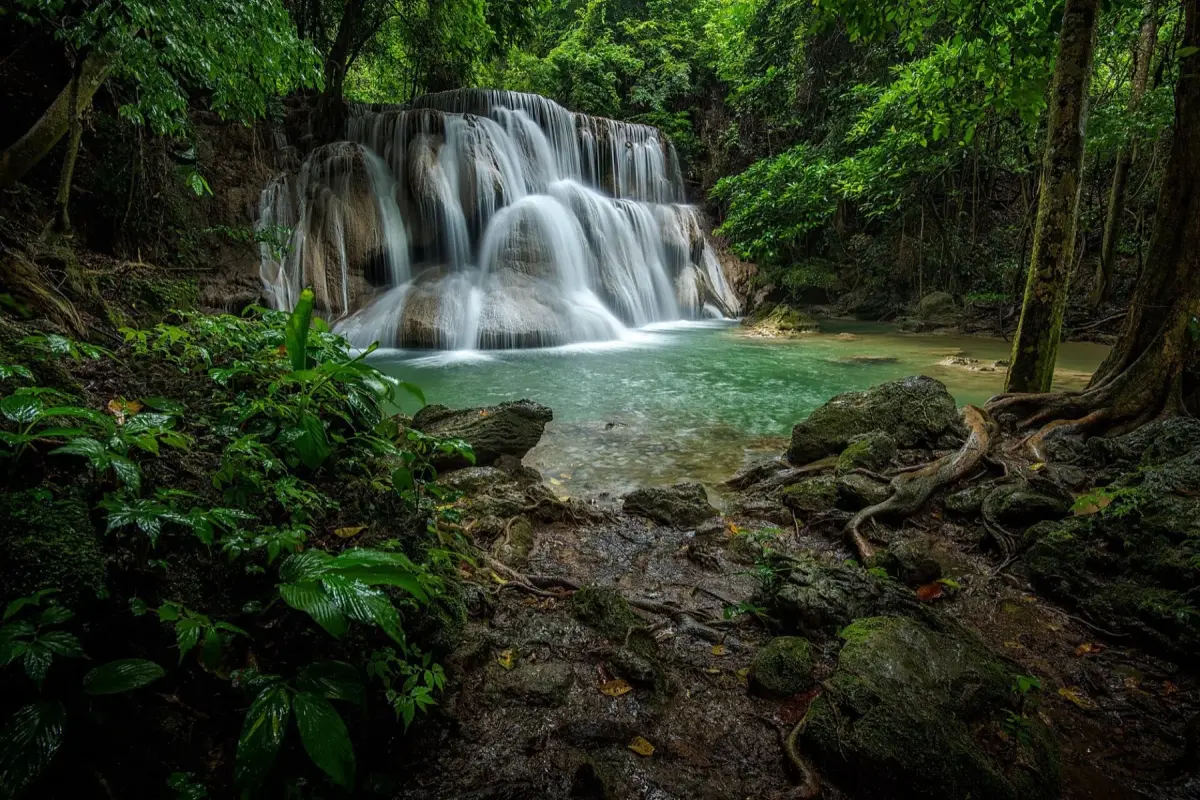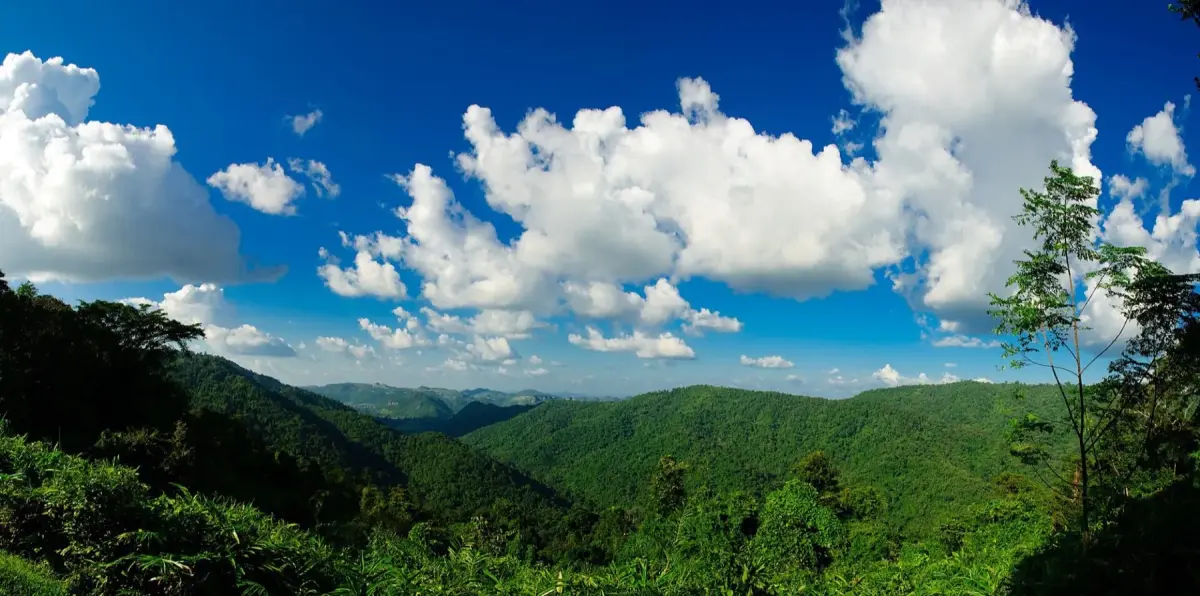
Thailand's largest national park, where days of exploring still leave most of the forest unseen.
Even after spending several days here, the forest never becomes fully understandable.
No viewpoint, no road, and no photograph can reveal it in its entirety.
In fact, the longer you stay, the stronger the feeling grows that far more life is unfolding around you than any person could ever notice.
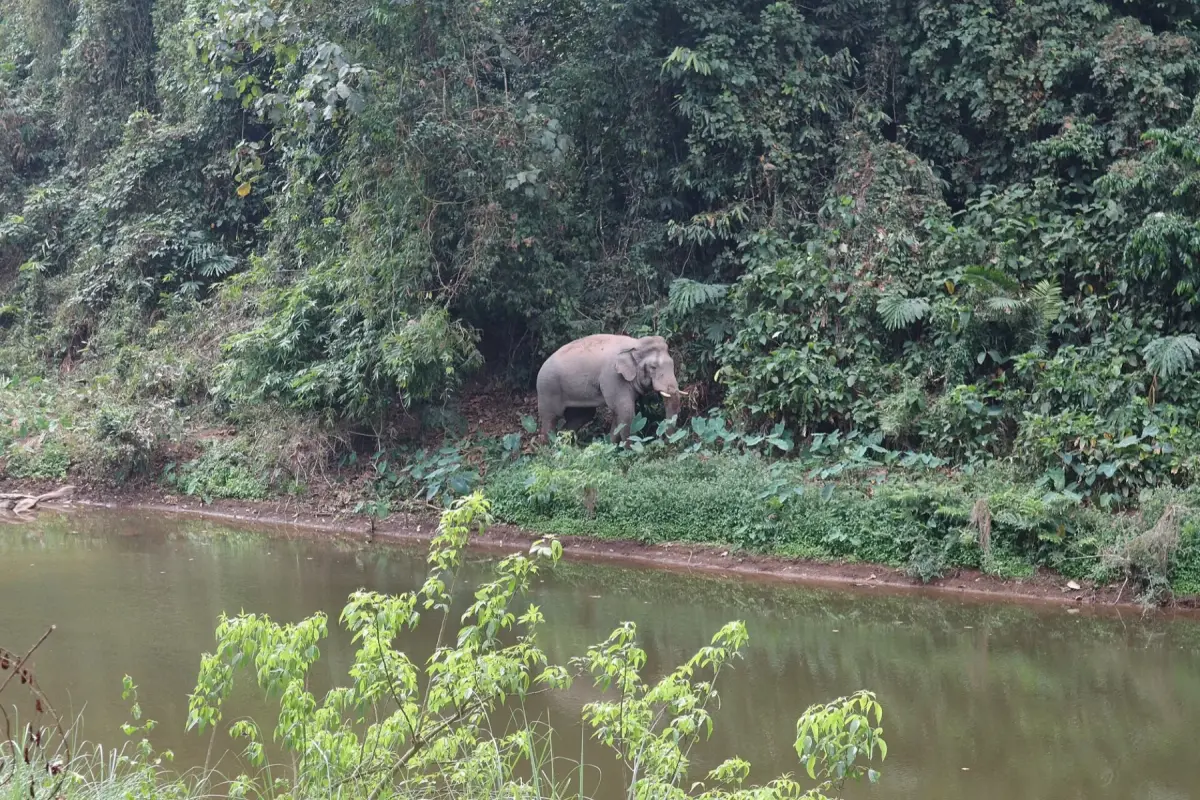
Somewhere a few kilometres away, a herd of elephants may be moving silently through the trees.
High above, gibbons call to one another across the canopy.
Hidden among the leaves, a bird sits waiting—the very species photographers travel halfway around the world to find.
All of this is happening at the same time.
You simply witness only a tiny fraction of the immense life that continues whether you’re there or not.
That is why Kaeng Krachan cannot be reduced to a single attraction.
The heart of this place is neither one waterfall nor one viewpoint.
The forest itself is the destination.
Several Worlds in One Forest
In 2021, the Kaeng Krachan Forest Complex was inscribed as a UNESCO World Heritage Site.
Its importance lies not only in its size, although it is Thailand’s largest national park.
Several of Asia’s natural regions meet here.
As a result, plants and animals that normally belong to different parts of the continent coexist within the same forest.
This remarkable combination has made Kaeng Krachan one of Southeast Asia’s richest ecosystems.
A Forest You Hear Before You See
Your first encounter with Kaeng Krachan doesn’t begin with your eyes.
Long before you spot any wildlife, the forest begins speaking.
Gibbons call from high in the canopy.
Birdsong echoes through the trees.
Somewhere close by, branches crack unexpectedly, although it is almost impossible to tell what caused the sound.
Gradually, an unusual feeling takes over.
The forest seems far more alive than you can actually see.
“The forest seems far more alive than you can actually see.”
Here, sound often tells a richer story than sight.
Eight Wild Cats
The Kaeng Krachan Forest Complex is home to eight species of wild cats.
Among them are tigers, leopards, clouded leopards, Asian golden cats, and several even more elusive species.
Almost no ordinary visitor will ever see them.
Yet their very presence says more about the forest than any guidebook could.
Predators like these survive only where countless other animals still thrive and where vast stretches of uninterrupted forest remain intact.
When the Ground Comes Alive
At certain times of the year, an ordinary forest trail transforms into something extraordinary.
After rain, dozens—and sometimes hundreds—of butterflies gather on the damp earth, drawn by minerals dissolved in the wet soil.
For a few hours, an otherwise unremarkable road becomes one of the park’s most remarkable sights.
It is impossible to plan this moment.
It depends on the season, the weather, and even the amount of sunshine that particular day.
That is why witnessing it always feels more like good fortune than something guaranteed.
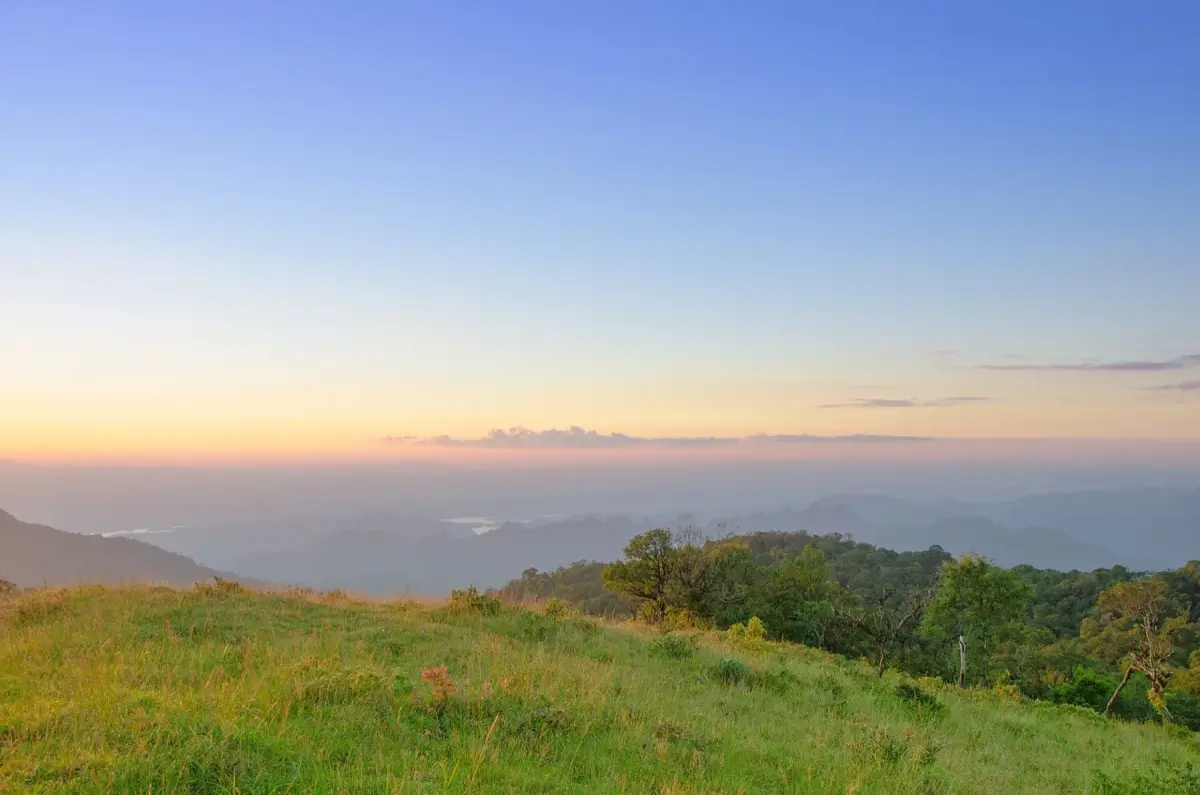
Morning Above the Forest
The park’s best-known viewpoint is Phanoen Thung.
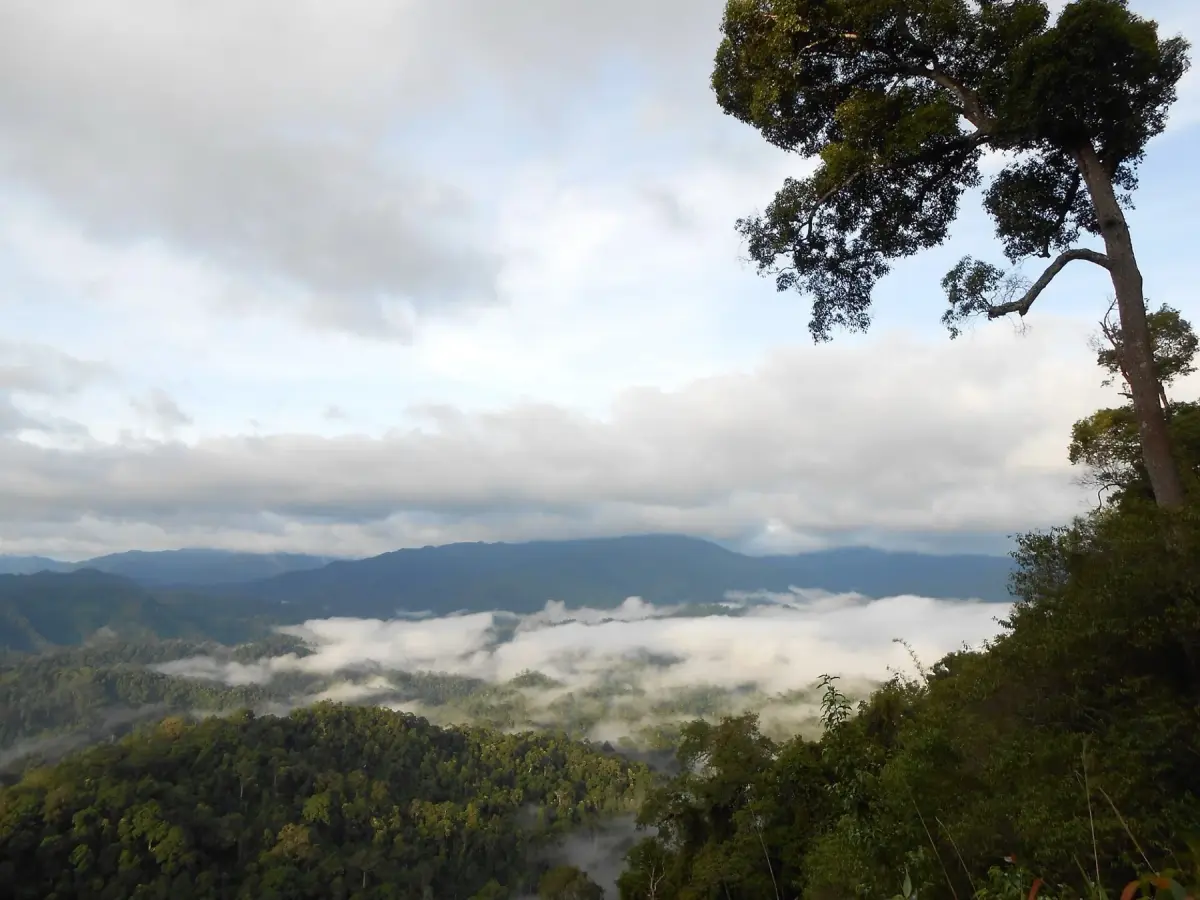
During the cool season, conditions occasionally align to reveal clouds filling the valleys while mountain peaks rise above them like islands in a white sea.
But the word occasionally matters more than any beautiful photograph.
The mist depends entirely on the weather, and the road to Phanoen Thung is periodically closed because of seasonal conditions or road maintenance.
Before visiting, always check the latest announcements from the national park.
Not Everything Is Open
Kaeng Krachan is so vast that it contains several completely different areas.
Ban Krang is known for birdwatching, butterflies, and relatively accessible trails.
Phanoen Thung attracts visitors with its mountain scenery and sunrise views.
Some roads and hiking trails are temporarily closed to protect wildlife or because of weather conditions.
That is why it is especially important not to rely on outdated guidebooks.
Before travelling, check the park’s official updates so you know which parts of the forest will actually be accessible during your visit.
A Few Things Worth Knowing Before You Go
The drive from Bangkok to the park’s main entrance usually takes three to four hours.
Reaching the more remote areas requires considerably more time, making two or three nights the ideal length of stay.
A car is almost essential if you want to explore the park properly.
If your goal is Phanoen Thung, check the current access rules before travelling, as parts of the route may only be accessible by four-wheel-drive vehicles or official park transport.
Bring binoculars, insect repellent, a rain jacket, sturdy shoes, and warm clothing for the cool mountain mornings.
Mobile phone reception is unreliable throughout much of the park, and wildlife appears only when it chooses to.
Who Will Enjoy It?
Kaeng Krachan is perfect for travellers who enjoy observing rather than simply collecting famous landmarks.
It especially rewards those who like listening to the forest, noticing small details, and accepting that nature never guarantees what it will reveal.
If your goal is to see elephants, large predators, or rare birds on a single visit, however, the park may feel frustratingly unpredictable.
Kaeng Krachan does not put on performances.
That is precisely what makes every genuine wildlife encounter so memorable.
The Forest Goes On
When the journey ends, one thought tends to linger.
While you were driving back to Bangkok, the forest simply carried on as it always had.
Gibbons greeted another sunrise with their calls.
Fresh tracks appeared in the damp soil.
Butterflies drifted above the streams.
Birds moved silently through the canopy where no one happened to be looking.
Perhaps that is what stays with you most.
Not the feeling that you managed to see Kaeng Krachan—
but the realization that seeing it all is impossible.
And that is exactly why one visit here is so rarely the last.