Horsemen, folklore and a code of hospitality that still shapes the Argentine countryside today.
For many people, Argentina is defined by tango, football, and steak. Yet Argentines themselves often point to something else as the country’s greatest symbol: the gauchos—horsemen who spent centuries living and working across the vast pampas.
Today, gaucho culture remains an important part of Argentina’s national identity. It survives not only in museums, but also in rural life, festivals, craftsmanship, and traditions that continue to be passed from one generation to the next.
If you want to experience Argentina beyond Buenos Aires, discovering the world of the gauchos is one of the country’s most rewarding journeys.
In This Article
Who Are the Gauchos?
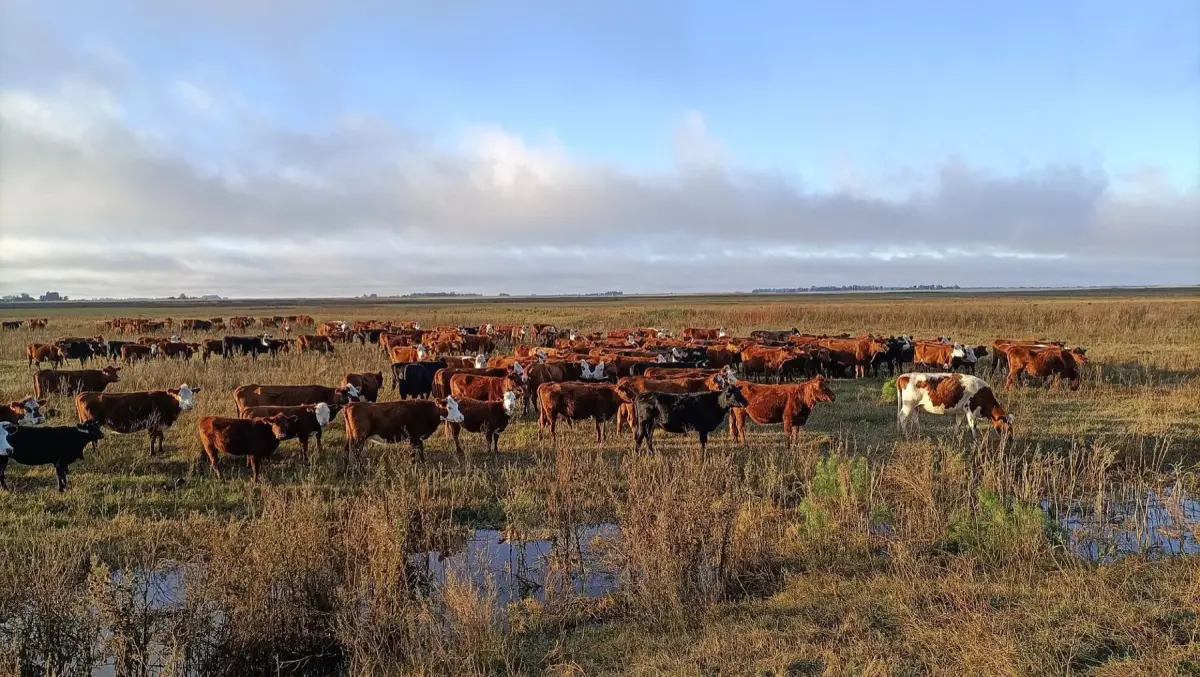
The gauchos emerged during the eighteenth century across the plains of Argentina, Uruguay, and southern Brazil. Historically, they raised cattle, drove herds across the pampas, and trained horses. They spent most of their lives on the endless grasslands, where riding skill was as essential as navigation is to a sailor.
They are often described as the Argentine equivalent of cowboys. The comparison helps explain their way of life, although gaucho culture developed independently and became a unique part of South American history.
Why Are Gauchos a Symbol of Argentina?
During Argentina’s struggle for independence, gauchos played an important role in defending the country. Later, literature cemented their place in the national imagination—most notably through Martín Fierro, the epic poem considered one of the greatest works of Argentine literature.
Over time, the gaucho came to represent freedom, self-reliance, and a close connection with nature. Today, their image appears throughout the country—in festivals, monuments, museums, works of art, and traditional celebrations.
What Do Modern Gauchos Do?
Although rural life has changed dramatically, the profession itself has not disappeared.
On many estancias, gauchos still work with cattle, care for horses, and manage agricultural land. Modern equipment has made some tasks easier, but exceptional horsemanship and the ability to handle livestock remain essential skills.
For many families, being a gaucho is more than an occupation—it is a way of life passed down from parents to children.
Gaucho Culture and Traditions
Gaucho life is built around traditions, many of which remain an important part of everyday rural Argentina.
“Gaucho life is built around traditions, many of which remain an important part of everyday rural Argentina.”
Horsemanship
A horse has always been a gaucho’s closest companion. It is no surprise that riding skills continue to be highly respected.
Asado
Argentina’s famous asado grew directly out of rural life. For gauchos, cooking meat over an open fire is not simply about eating—it’s an opportunity to gather, talk, and spend time together.
Maté
Sharing maté accompanies almost every gathering. A single gourd is passed from person to person, making the drink an enduring symbol of everyday life and hospitality.
Traditional Crafts
Gaucho culture is also known for its handcrafted silverwork, knives, leather belts, ponchos, and horse tack. In many workshops, these crafts have been preserved by the same families for generations.
Why Visit San Antonio de Areco?
If you ask Argentines where to experience authentic gaucho culture, most will point you toward San Antonio de Areco.
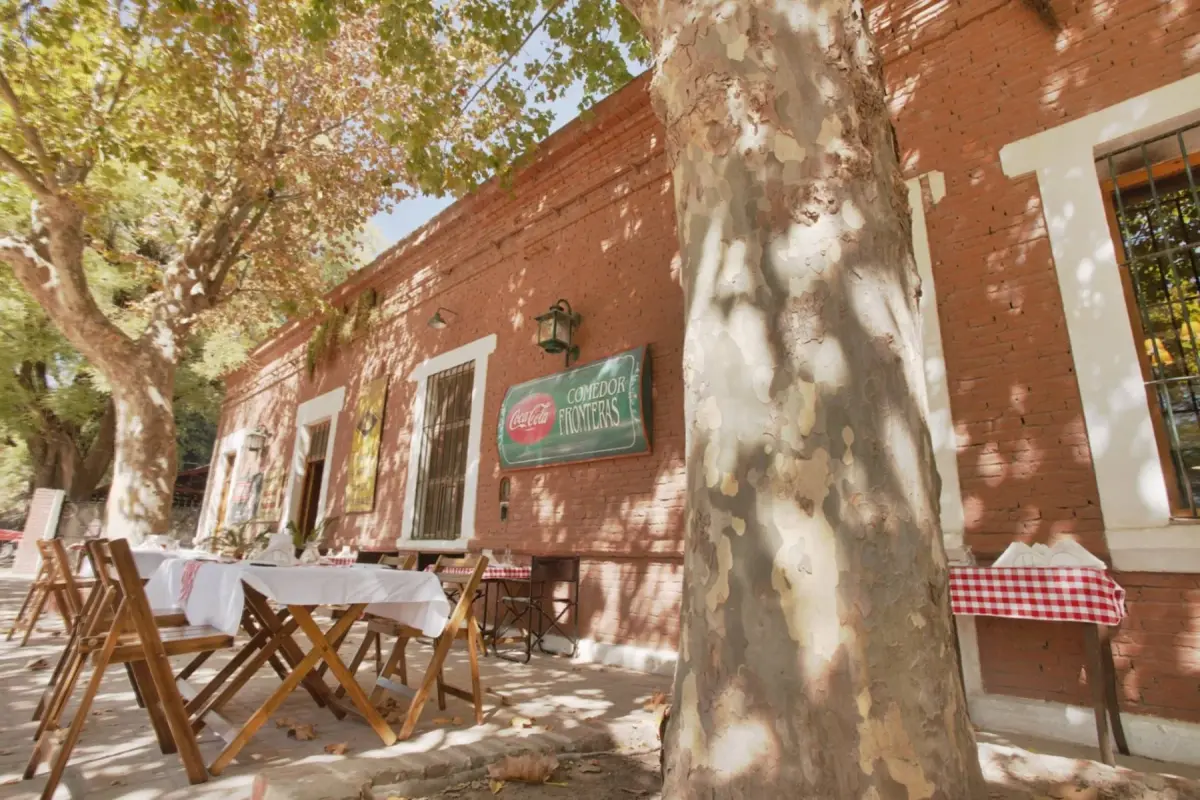
This small town is considered one of the country’s leading centers for preserving gaucho traditions. Artisan workshops, national celebrations, historic buildings, and museums dedicated to gaucho life all contribute to its character. Unlike many tourist destinations, these traditions are still part of everyday life rather than staged for visitors.
That is why travel guides consistently recommend San Antonio de Areco as the best place for a first introduction to the world of the gauchos.
What to Expect During Your Visit
A trip to San Antonio de Areco offers much more than a history lesson—it allows you to experience gaucho traditions firsthand.
Here you can:
Visit a traditional estancia.
Watch skilled horsemen at work.
Enjoy equestrian demonstrations.
Explore artisan workshops.
Taste rural Argentine cuisine and authentic asado.
See traditional gaucho clothing.
Visit museums and art galleries dedicated to the culture of the pampas.
What Not to Expect
It is important to understand that San Antonio de Areco is neither a theme park nor a historical reenactment.
On an ordinary weekday, you are unlikely to see dozens of horsemen riding through the streets. The atmosphere is peaceful and unhurried. If you hope to experience parades, equestrian competitions, and folk performances, plan your visit for a weekend or during one of the town’s traditional festivals.
Who Will Enjoy This Trip?
This experience is especially rewarding if you:
Want to discover Argentina beyond Buenos Aires.
Are interested in history and traditions.
Enjoy small towns with a strong sense of place.
Are traveling with your family.
Love photography.
Want to experience authentic rural Argentina.
If, on the other hand, you are looking for vibrant nightlife, modern entertainment, or a fast-paced urban itinerary, San Antonio de Areco may not be the right destination.
Final Thoughts
Gaucho culture is one of the keys to understanding Argentina beyond its major cities. These traditions have not been frozen in the past—they continue to thrive on working estancias, in family-run workshops, at local festivals, and in everyday rural life.
A visit to San Antonio de Areco allows you to experience this heritage for yourself. Even if you spend only a single day here, it is often enough to leave with a deeper understanding of Argentina’s history, identity, and character.