Asado over open coals, horsemanship demonstrations and an afternoon inside a working estancia.
Some places are famous for their architecture, landscapes, or cuisine. But at an Argentine estancia, the most memorable part is often the people—those for whom horses, the pampas, and life in the countryside are not part of a tourist performance but simply everyday reality.
That is exactly what you’ll find at Estancia El Ombú de Areco, just outside San Antonio de Areco. This historic working estancia covers more than 300 hectares, where cattle are raised, dozens of horses are kept, and crops are grown throughout the year. Visitors can enjoy a full día de campo, discover the traditions of the gauchos, go horseback riding, and watch equestrian demonstrations.
The experience does not turn you into a ranch hand, nor does it promise the chance to herd cattle. What it does offer is something rarer: the opportunity to spend a few hours alongside a world that most people only ever glimpse from a distance.
In This Article
Meet People Who Aren’t Playing the Role of Gauchos
It is easy to imagine gauchos as figures from the past—wearing traditional clothing, riding horseback, appearing on postcards or during festivals. At the estancia, however, that image suddenly becomes part of everyday life.
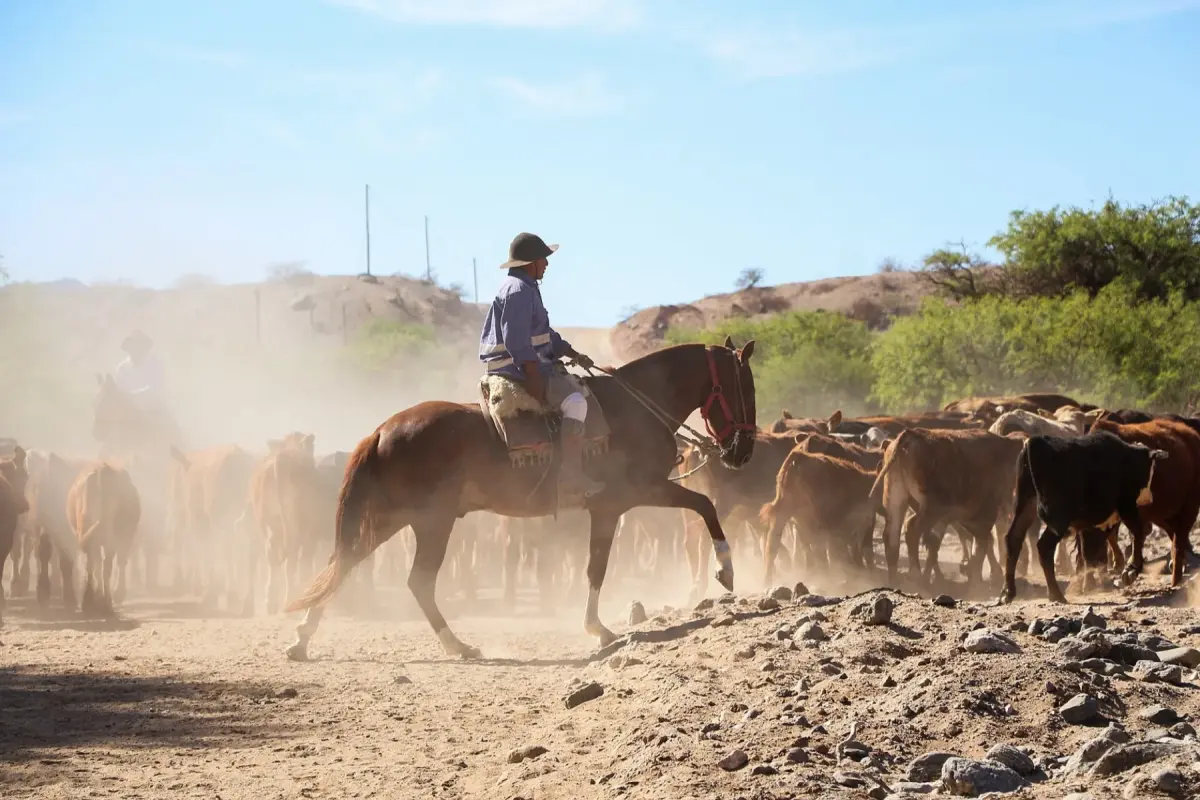
Here you meet people who genuinely know how to work with horses, understand life in the countryside, and preserve skills passed down through generations. Guests can watch equestrian demonstrations that showcase calm, respectful horsemanship and the handling of groups of horses. Every graceful movement reflects years of experience rather than a carefully rehearsed performance.
Seeing these demonstrations becomes even more meaningful after learning about the history of the gauchos. You begin to understand that the traditional clothing, saddles, and horsemanship have survived not simply for celebrations—they remain part of the living identity of the Argentine pampas.
Why Does One Mare Wear a Bell?
Many gauchos keep their working horses in a tropilla—a group of horses raised and trained together. Rather than following a rope or even a person, these horses often follow a special mare known as the yegua madrina, or “lead mare.”
She wears a bell around her neck, and the other horses instinctively follow its sound. The skill of creating and training such a harmonious group is known as entablar tropillas. For a skilled tropillero, true value lies not in expensive silver tack but in calm, well-trained horses that stay together and respond with very little force.
This small detail reveals a great deal about gaucho culture. Here, a horse is rarely viewed as an individual alone—its temperament, training, and place within the group matter just as much.
At El Ombú, visitors can watch demonstrations of tropilla handling, enjoy a relaxed horseback ride, or choose a ride in a traditional sulky cart or horse-drawn carriage. The estancia’s official program includes horseback riding, demonstrations with the horse groups, and other rural activities.
Spend the Day on a Working Estancia
El Ombú is more than a historic house that welcomes visitors. It is a genuine working estancia, home to more than 350 Aberdeen Angus cattle, around 70 horses, and seasonal crops grown throughout the year.
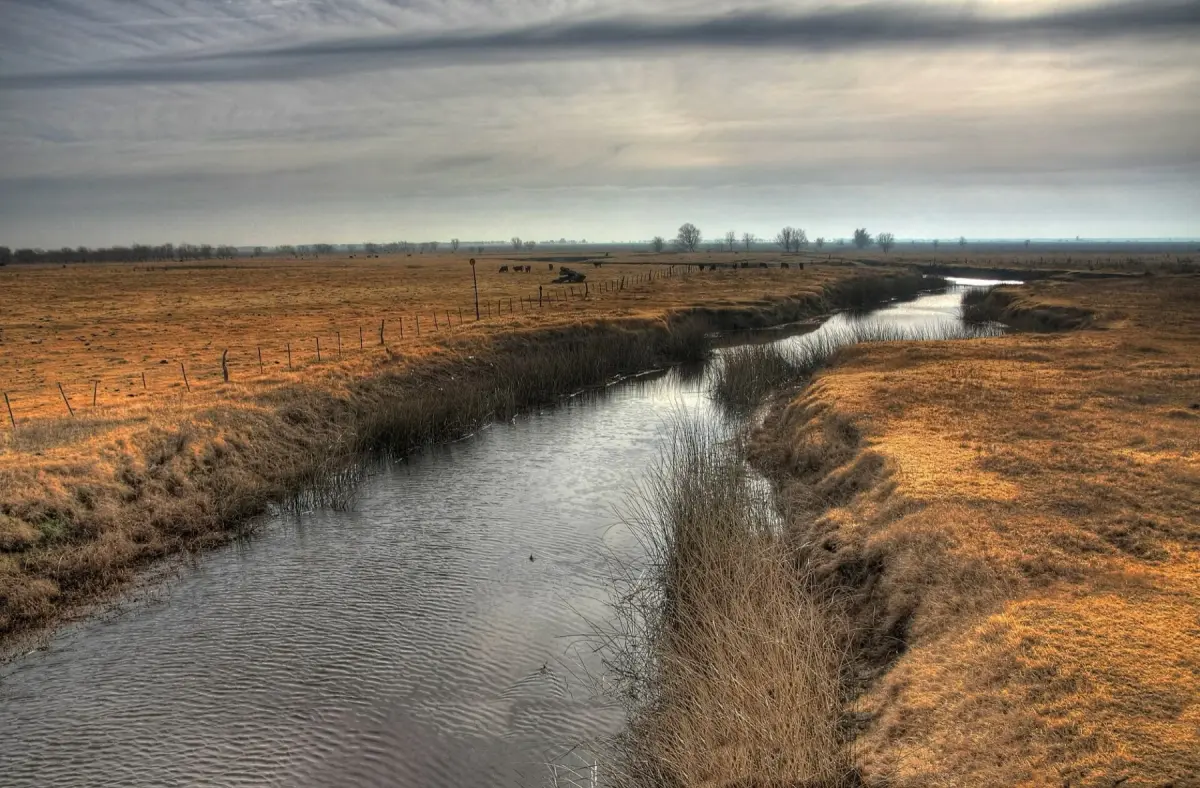
That is what gives the visit its depth. Beyond the guest activities, everyday rural life continues as usual: fields change with the seasons, livestock is raised, and farm work carries on. Visitors do not take part in the daily tasks, so you should not expect to repair fences or drive cattle. Yet once you realize the landscape is still part of a functioning farm, it stops feeling like scenery and begins to feel authentic.
The day’s program may include walks around the property, observing farm animals, horseback riding, carriage rides, and equestrian demonstrations. There are also areas to relax and two outdoor swimming pools.
Enjoy Lunch the Estancia Way
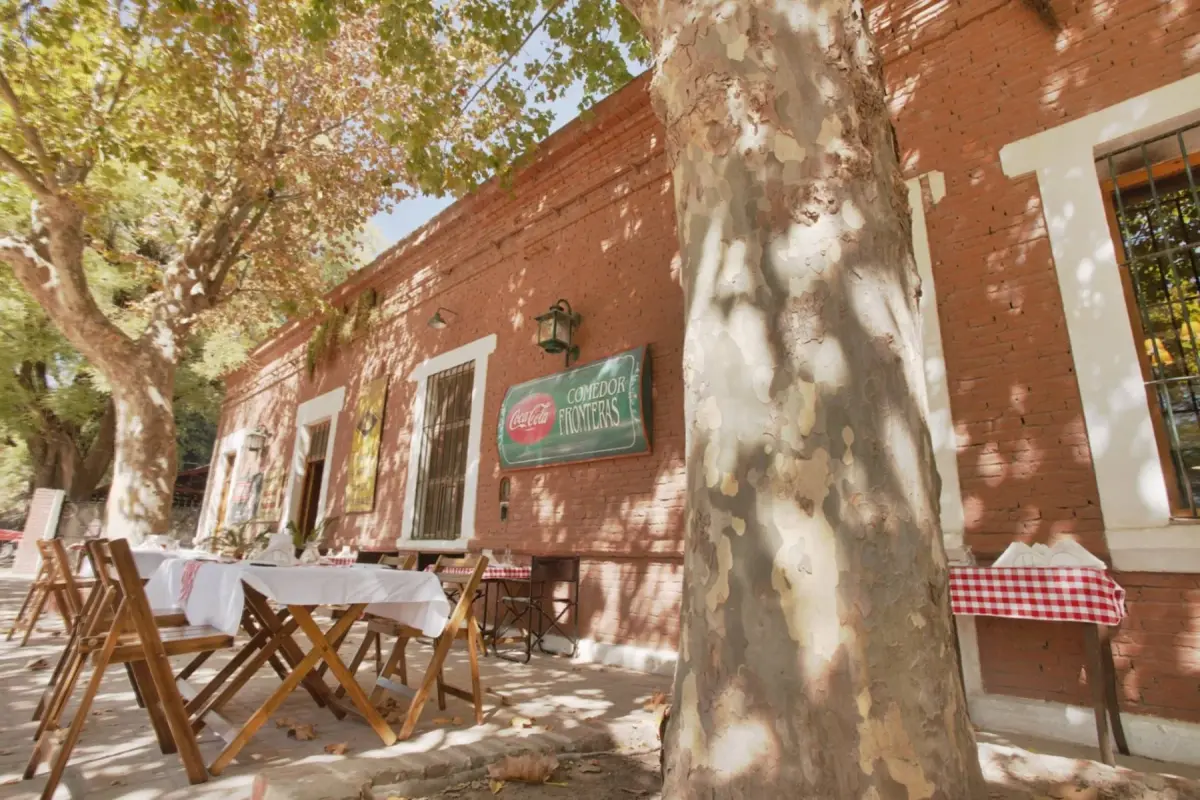
After spending time outdoors, the aroma of wood smoke becomes impossible to ignore. A traditional Argentine lunch is included in the day’s program, making the asado not just another restaurant meal, but a natural continuation of the estancia experience.
A meal like this rarely consists of a single course. Empanadas, grilled meats, sausages, salads, and desserts are typically served, and lunch itself becomes one of the highlights of the day. There is no need to hurry through your meal to reach the next attraction—walking, horses, and lunch naturally blend into one experience.
Before booking, it is worth checking the current menu, included drinks, and whether meat-free options are available, as programs may change.
“Before booking, it is worth checking the current menu, included drinks, and whether meat-free options are available, as programs may change.”
End the Day with Music and Tradition
El Ombú also hosts traditional folk music and dance performances. After spending the day exploring the estancia, they feel less like a separate show and more like another way of discovering the culture of the pampas—this time through rhythm, movement, and song.
There is no need to expect a large-scale festival. These performances are designed for estancia guests and provide a fitting conclusion to a day in the countryside rather than serving as its main attraction.
What Not to Expect
A visit to El Ombú does not mean becoming fully immersed in the daily work of the estancia. Guests are not invited to care for livestock, train horses, or carry out the everyday responsibilities of a gaucho. Herding cattle is also not part of the regular program.
Horseback riding, carriage rides, equestrian demonstrations, and folk performances are all organized specifically for visitors. It is therefore more accurate to think of the experience not as “living like a gaucho,” but as discovering gaucho traditions on a genuine working estancia.
Before your visit, check the current schedule, day’s program, children’s participation rules, horseback riding requirements, and transfer options. The estancia is located in the countryside, approximately 120 kilometers from Buenos Aires.
Planning Your Visit
Final Thoughts
At the end of the day, it is not only the asado, the music, or the horseback photos that stay with you. More often, it is the gentle sound of the bell hanging from the yegua madrina, quietly leading an entire tropilla across the pampas.
One simple sound opens the door to a much larger world—a world where the skill of a gaucho is measured not by spectacular tricks, but by the ability to raise horses that trust both one another and the person guiding them.